
Fairy tales, like Myths, are a complicated matter. One of the biggest things readers and scholars have to remember is that the tale is…adjustable. In other words, each fairy tale is almost like an adaptation of each other. Just like the original myths of old, fairy tales (like everything) were once told orally. Only when humans advanced enough for written language (thought and ability), did we get physical, written accounts of this cultural history.
One of the most famous fairy tale capturers were the Brothers Grimm. They went around Germany and wrote down the various tales and variations of those tales among the people there. Then, they wrote them down. I cannot be sure if there was editing in the first edition, but they ended up writing 3 versions of their fairy tales and each one was different. Two examples: there were different fairy tales in each edition. The first edition didn’t have all the ones the third, and one we look upon most often, edition. The second is that The Wicked Stepmother from Snow White’s tale wasn’t always the stepmother. In the first edition, it was her mother. But because these tales are very influential in the culture, it had to be changed. Mothers had a duty to their children. Lesson Stories couldn’t be seen doing the opposite.
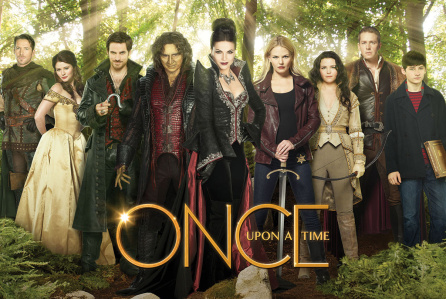
Then you have modern adaptations who take it a step futher: in Once Upon a Time, the wicked stepmother lost the love of her life because Snow White couldn’t keep a secret. Instead of being jealous of a child’s beauty—which is not something we support nowadays—we have a story of people being human. Characters are more relatable especially the so-called villains.
Take a look, and see what you find when you go investigating into Fairy Tales.
 Catalyst of the Story