
I love books, but I love analyzing them even more. I am drawn to the pop culture of now. I like comics and fairy tales, and so I want to know what makes them tick.
After examining the character of Loki, I came up with story catalysts. I was reading some of the original myths of the trickster and comparing them to the character Marvel Comics had produced, and I came to a realization about Loki, God of Mischief: he was a catalyst. Without him, there was no story. Whether he instigated, started it back, or ends the tale. He was a trickster with a job to do not an evil villain.
This led me to more investigating: what was a villain? How evil are they? What is a trickster? Are Tricksters evil? It all blew my mind, and one day, I will publish my investigation.
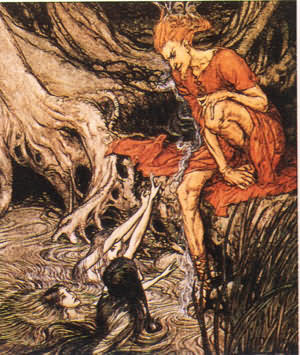
 Catalyst of the Story
That is an amazing point. Many of the myths are about what happens when the natural order is upset by these trickster figures. I agree with how you phrased it, “He was a trickster with a job to do not an evil villain.” These figures have a purpose and, as a character, often outside moral boundaries.
LikeLiked by 1 person
I completely agree.
LikeLike
This can also apply to various other myths. Many Greek and Roman myths revolve around various tasks and stories of humans (and demi-gods) dealing with gods. In these stories, the gods often do immoral (by human standards) things – however it is rare that the gods are painted as villains.
LikeLiked by 1 person
Which is why it is so important, in these myths, for tricksters to exist. They are the intermeittaries between the gods and humans who work to helping the humans–whether they can realize it or not.
LikeLike