
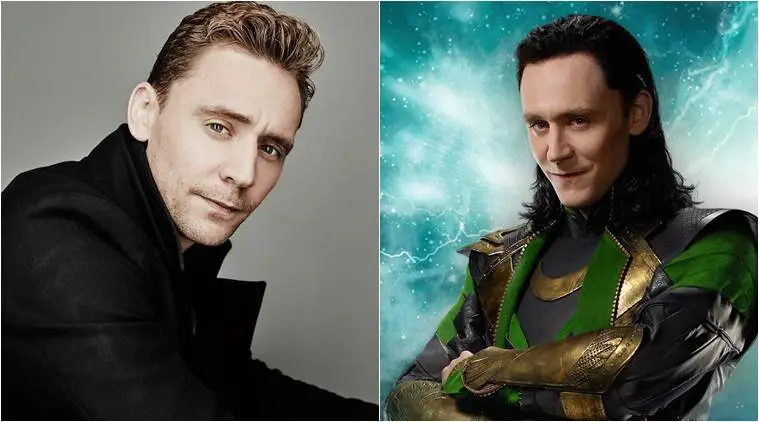
Even though I love mythology, I had always focused on the Greek set with an occasion dip into Egyptian myths. I never really read into Norse myths until Thor (2011) where Tom Hiddleston brought to life a version of the Norse God of Mischief, Loki. I was so intrigued with this character. He was such a puzzle to decipher–he was just a character to set off my need to analyze characters. In fact, he was the first to make me realize that just because a character is an antagonist doesn’t make them a villain. It was Hiddleston’s take on Loki that made me realize that we live in an age where writers are giving antagonistic characters are becoming more than one dimensional.
This of course led to my investigation of the character, the archetype of Loki. I analyzed his part in the Marvel Cinematic Universe (MCU) as well as his original self: the Loki from the Norse Myths. The Loki section on this site will focus on my research into him and his role, and originality, of my Story Catalyst theory.

In the myths, Loki is the originator, the instigator, and the finisher of stories: i.e. the catalyst. This evolved into theory on the trickster figure which is part of the archetype of the Loki character.
——————————————————————————————————————–
THE FOLLOWING ARE RESOURCES FOR “LOKI” YOU MIGHT FIND USEFUL and/or INTERESTING
<<<<<<<<<<<<<<<<<<<Primary Sources: Subject of choice>>>>>>>>>>>>>>>>>
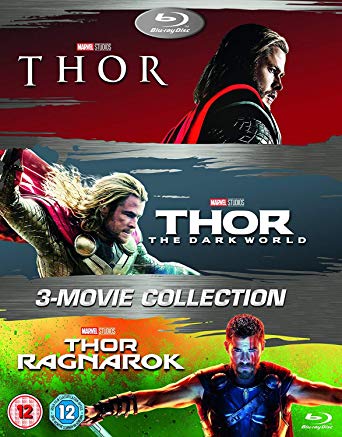
Marvel Cinematic Universe
(This would also, technically, include Avengers and Avengers: Infinity War if you were serious about looking at Loki’s impact throughout the entire serious).

<<<<<<<<<<<<Secondary Resources: Analysis and Critical Approaches>>>>>>>>>>>>
While the internet is a great resource for some things, like the other side of popular culture, if you are intent on doing scholarly research you need to find some of those types of sources. This is where you search databases (a good start is through Galileo, but since I am unsure if you have access to such things I will just list a few that helped me: ProjectMuse, JSTOR, EBSCO, etc.
Then you have printed and ebook versions of Edited Collections, Encyclopedias, Handbooks, theory, etc:
- Graphic novels: a genre guide to comic books, manga, and more / Michael Pawuk ; foreword by Brian K. Vaughan.
- Critical survey of graphic novels : heroes and superheroes / editors, Bart H. Beaty, Stephen Weiner
- Trickster and Hero: Two Characters in the Oral and Written Traditions of the Word : Harold Scheub
- The Trickster Brain: Neuroscience, Evolution, and Narrative : Jeanne Reesman
- Handbook of Norse mythology : John Lindow
Sometimes you even after to go after individual jounrals as they may have published individual articles that haven’t found their way into a book yet. Or groups that have conferences where scholars present their work (like I have done with the second mention. I’ve written Loki papers and presented).
- The Comics Grid: Journal of Comics Scholarship
- Popular Culture Association/American Culture Association.
- Taylor & Francis (publisher)
- Wayne State University Press (huge publisher)
- Palgrave & Macmillian (publisher)
WordPress articles from individuals like me who wish to explore Loki. Note: When it comes to popular culture, sometimes outside sources like this, while not peer reviewed, do hold value. After all, Popular Culture is culture driven, and people make that culture.
MCU Loki Post
MCU Loki Post
Myth and MCU Loki Post
Myth Loki Post
Myth Loki Post.
| Ancient History Encyclopedia: “Loki” — Myth Loki |
| Britannia Encyclopedia: “Loki: Norse Mythology” — Myth Loki |
| Scholar/Resarcher Daniel McCoy’s website: “Loki” — Myth Loki |
| Official Marvel website: “Loki” — MCU/Comic Loki |
| Official Marvel Encyclopedia (printed/ebook, 2019) — Comic Loki |
These are just a few examples of what you could use. There are so many resources out, but the problem is trying to find all of them. It is difficult trying to piece together what and where. It is why, in the future, I hope to create a database for this genre: for popular culture. So people don’t have to look at Google, databases, and everywhich way else. Yes, it will probably require you to visit a library, but what I want is to have a database that is RECORD of the resources as well as copies. Sometimes it won’t have anything but a record, but that’s ok. I want to have guides on my database that says: if the full text isn’t here, look here. But that is going to be years down the road. First, basic things like this.
 Catalyst of the Story